
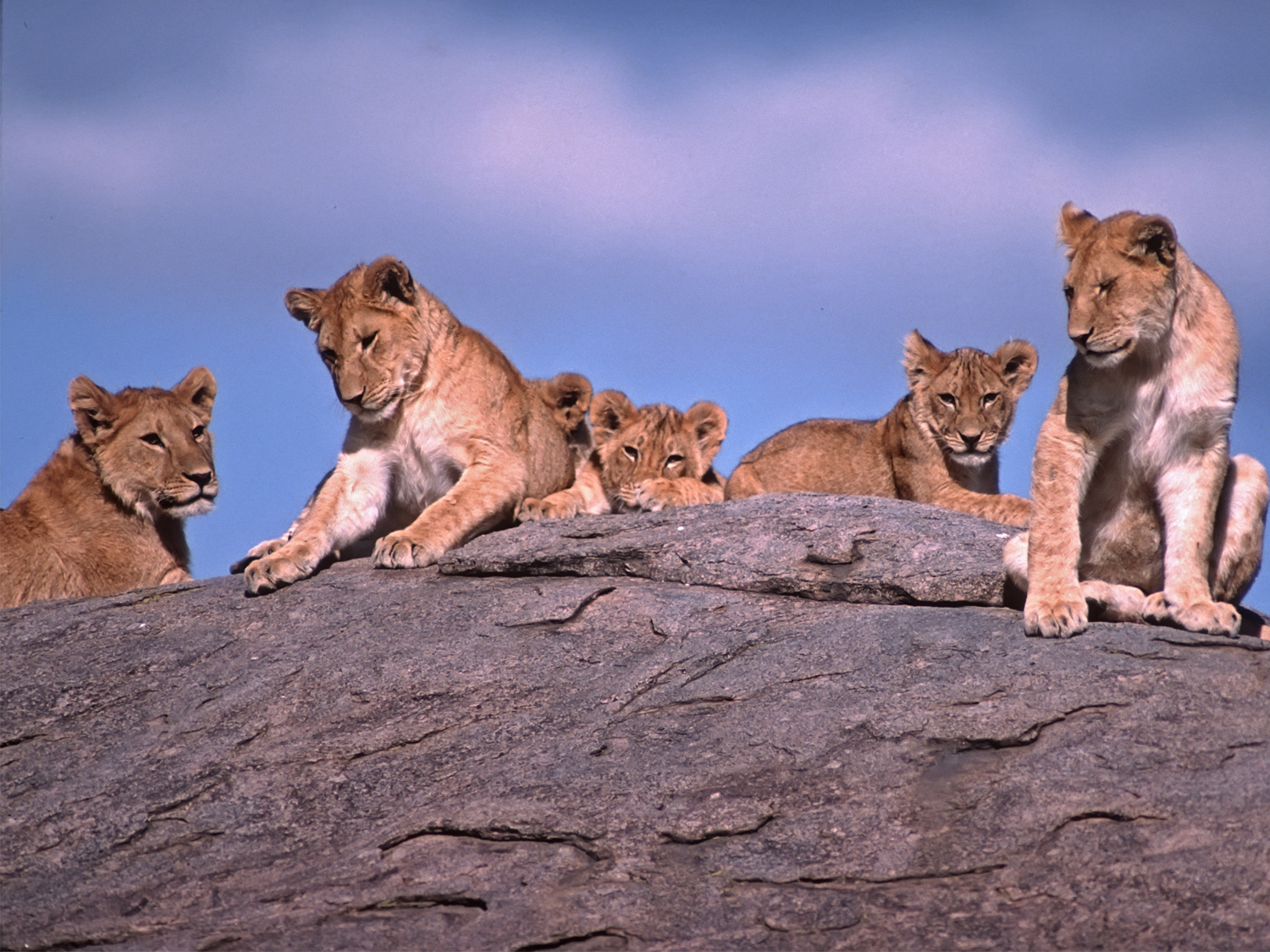

A wildlife tour Tanzania is one of the most immersive and awe-inspiring travel experiences available anywhere in Africa. Renowned for its vast protected areas, extraordinary biodiversity, and iconic landscapes, Tanzania offers an authentic safari adventure defined by scale, drama, and ecological richness. From the endless plains of the Serengeti to the wildlife-filled crater of Ngorongoro, Tanzania presents a dynamic and unforgettable encounter with nature.
As home to some of Africa’s most celebrated national parks and conservation areas, Tanzania remains a premier destination for travelers seeking genuine wilderness and remarkable wildlife sightings.
Serengeti National Park: The Endless Plains
wildlife tour Tanzania is complete without visiting Serengeti National Park. Famous for its sweeping grasslands and abundant predators, the Serengeti is synonymous with the African safari experience. The park hosts one of the largest concentrations of wildlife on the continent, including lions, leopards, cheetahs, elephants, buffalo, and giraffes.
The Serengeti is globally recognized for the Great Migration, an annual event during which over a million wildebeest, accompanied by zebras and gazelles, traverse the ecosystem in search of fresh grazing. This dramatic cycle of movement, survival, and renewal draws wildlife enthusiasts and photographers from around the world.
Beyond the migration, the Serengeti’s resident wildlife ensures exceptional game viewing throughout the year. Its open terrain allows clear visibility, making predator sightings both frequent and rewarding.
Ngorongoro Crater: A Natural Wildlife Sanctuary
Adjacent to the Serengeti lies the remarkable Ngorongoro Crater, one of Africa’s most unique safari destinations. Formed millions of years ago by a collapsed volcano, the crater creates a natural enclosure that supports an extraordinary density of wildlife within a relatively compact area.
Visitors to Ngorongoro often encounter black rhinos, large lion prides, hippos, and diverse antelope species within a single game drive. The crater floor features grasslands, swamps, forests, and a central soda lake, each contributing to the area’s ecological diversity.
As a UNESCO World Heritage Site, Ngorongoro combines outstanding wildlife viewing with dramatic geological scenery, offering a safari experience that is both intimate and visually spectacular.
Tarangire National Park: Giants Among Baobabs
Tarangire National Park is renowned for its impressive elephant populations and iconic baobab trees. During the dry season, the Tarangire River becomes a lifeline for wildlife, drawing large herds of elephants, wildebeest, and zebras.
The park’s varied landscapes—ranging from riverine forests to open savannah—support a rich array of species, including lions, leopards, and numerous bird species. Tarangire is particularly appealing for travelers seeking a quieter safari experience away from the larger crowds of the Serengeti.
The ancient baobab trees scattered across the park create dramatic silhouettes at sunset, enhancing the scenic beauty of any wildlife tour.
Lake Manyara National Park: Compact and Diverse
Nestled at the base of the Great Rift Valley escarpment, Lake Manyara National Park offers a compact yet ecologically diverse safari experience. The park is known for its tree-climbing lions, a rare behavior that fascinates visitors.
Lake Manyara itself attracts flocks of flamingos and other waterbirds, while the surrounding groundwater forests provide habitat for monkeys, elephants, and numerous bird species. Its manageable size allows for efficient exploration, making it an excellent addition to northern Tanzania safari itineraries.
Selous and Southern Wilderness
For travelers seeking remote and less-traveled landscapes, the former Selous Game Reserve—now part of Nyerere National Park—offers vast wilderness and diverse ecosystems. As one of Africa’s largest protected areas, it provides opportunities for boat safaris along the Rufiji River, walking safaris, and traditional game drives.
Nyerere National Park is home to elephants, wild dogs, crocodiles, and hippos, offering a more secluded and adventurous safari atmosphere compared to northern circuit parks.
Best Time for a Wildlife Tour in Tanzania
Wildlife tours in Tanzania are rewarding throughout the year, but the dry season from June to October is widely considered the best time for game viewing. During this period, animals congregate around water sources, and vegetation is less dense, improving visibility.
The migration in the Serengeti follows a seasonal pattern, offering different highlights at different times of the year. Calving season, typically from January to March in the southern Serengeti, attracts predators and provides unique viewing opportunities.
Accommodation and Safari Styles
Tanzania offers a range of accommodation options, from luxury tented camps and boutique lodges to mobile camps that follow the migration. Visitors can choose between classic 4×4 game drives, walking safaris guided by experienced rangers, and even hot air balloon safaris over the Serengeti.
Professional guides enhance the experience with in-depth knowledge of animal behavior, ecology, and local culture, ensuring a safe and informative journey.
Conservation and Community Engagement
Tanzania’s protected areas are central to global conservation efforts. Tourism revenue supports anti-poaching initiatives, habitat preservation, and community development projects. Many safari operators collaborate with local communities, ensuring that wildlife conservation provides tangible benefits to residents.
Sustainable tourism practices play a crucial role in preserving Tanzania’s natural heritage for future generations.
Conclusion
A wildlife tour in Tanzania offers a profound connection to Africa’s most iconic landscapes and species. From the predator-rich plains of the Serengeti to the wildlife-dense Ngorongoro Crater and the remote beauty of Nyerere National Park, Tanzania delivers unmatched diversity and authenticity. With its strong conservation framework, professional guiding services, and extraordinary natural wonders, Tanzania stands as one of the world’s premier wildlife safari destinations.