
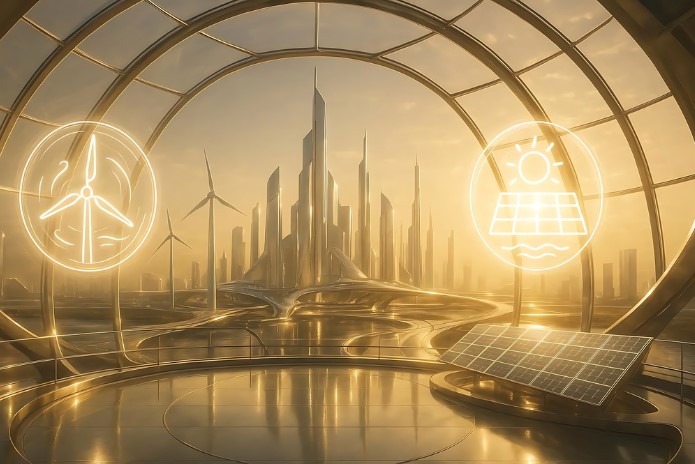

When the power shuts off, everything stops. Your phone runs out of battery. The fridge ceases to make noise. Traffic signals turn off. For this reason, intelligent communities throughout America are creating energy systems capable of recovering from any challenges they face.
What Makes Energy Systems Tough?
Visualize a robust energy system as a spider’s web. Sever one thread, and the net remains intact. Snap a few strands, and it adjusts. That’s precisely how contemporary power grids must function. Conventional energy systems rely on a single approach. A large power station supplies electricity to many households via extensive transmission lines. When storms bring down those lines or the plant malfunctions, everyone is left in the dark. It’s like having just a single path to return home – obstruct that path, and you cannot move.
Intelligent engineers are transforming this outdated method. They are creating networks with many smaller energy sources distributed across various sites. Rooftop solar panels operate in conjunction with small wind turbines and backup batteries. If one source fails, the others ensure everything stays illuminated.
Learning from Mother Nature
The natural world imparts important lessons about resilience. Forests endure wildfires as various tree species thrive at different elevations. Some are consumed by flames, yet others endure to renew the woods. Energy systems operate in a similar manner. Communities are now blending various forms of energy sources. Solar panels perform well on bright days. Wind turbines rotate when wind blows. Minor hydroelectric facilities use moving water. Backup generators activate in times of emergencies. This diversity ensures that harsh weather cannot destroy everything simultaneously.
Smart Technology Steps In
Modern technology enhances energy systems’ intelligence to unprecedented levels. Sophisticated computers track electricity movement every second. They detect issues before they become significant. When issues arise in a specific area, these systems automatically redirect power through alternate routes. Battery storage functions as a bank account for electricity. In favorable conditions, batteries retain additional energy. During storms or equipment failures, the stored energy kicks in, ensuring essential services stay online. Power is consistently supplied to hospitals, schools, and emergency services.
Smart meters in residential and commercial settings are beneficial as well. They illustrate precisely the amount of electricity individuals consume and the timing of that usage. This data assists utility firms in managing supply and demand more effectively.
Building Community Strength
The experts at Commonwealth say that the most robust energy systems link nearby communities. Small power generation projects in communities establish local energy systems. When the primary grid collapses, these mini grids continue operating autonomously.
Some neighborhoods set up communal battery systems that benefit multiple blocks. Some establish energy cooperatives that allow residents to jointly invest in local solar or wind initiatives. These collaborations distribute expenses while fostering local energy autonomy.
Preparedness improves community resilience. Residents find out which structures possess backup power during power outages. They know where to charge phones and find heat. Clear communication promotes safety and awareness. Learn more about power generation with Commonwealth.
Conclusion
Building lasting energy systems demands resources and time, but the benefits are significant. Areas with resilient energy infrastructure recover faster after crises. Companies remain operational during crises. Families find reassurance in the certainty that their power will remain.
The future is held by adaptable, intelligent energy networks that respond to challenges. These systems shield us from storms, equipment malfunctions, and other unexpected events. They link us to more environmentally friendly energy options while maintaining affordable prices. Our communities become more robust with every energy resilience investment. From rooftop solar to shared battery systems, each part strengthens the reliability of modern living infrastructure. We can better face future obstacles if we make sure our energy systems can handle disruptions.